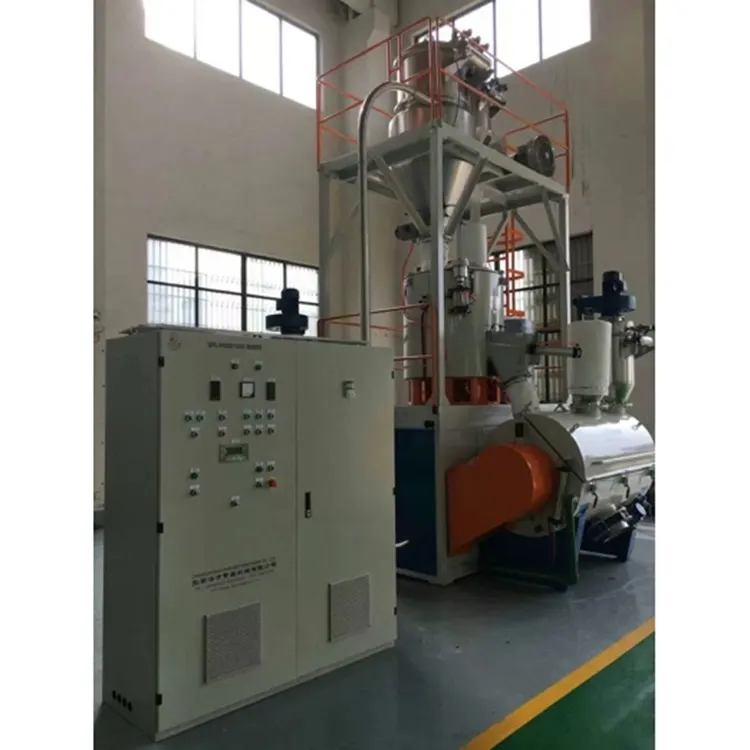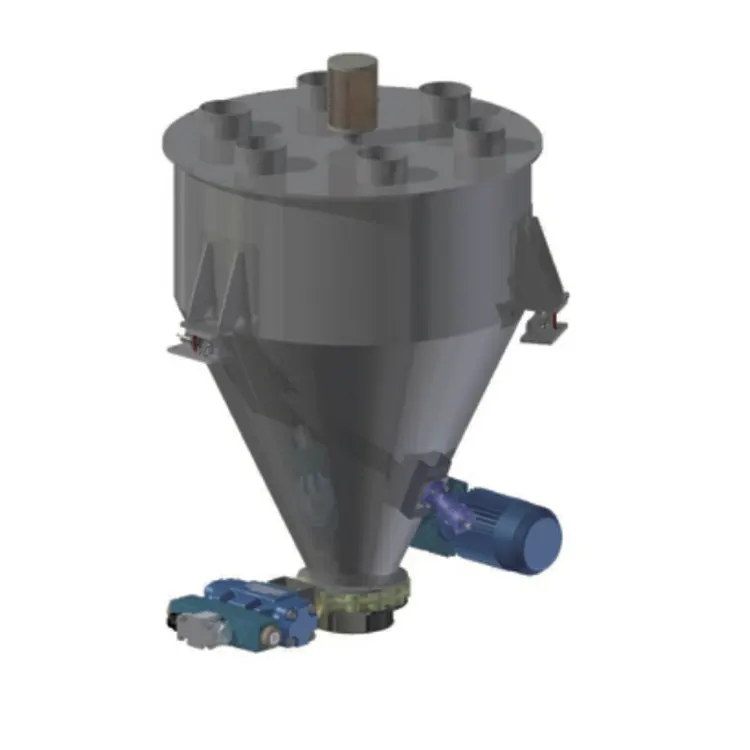

In modern manufacturing environments, precision, efficiency, and automation are critical to maintaining product quality and reducing operational costs. One technology that has gained significant attention in industries such as plastics, chemicals, food processing, and pharmaceuticals is the Auxiliary Material Automatic Dosing Station. This intelligent system automates the measurement, proportioning, and delivery of auxiliary materials to ensure consistent product formulation.
This article explores how an Auxiliary Material Automatic Dosing Station works, its key components, industrial applications, benefits, and how companies like FANCHANG are advancing automated dosing technology. Whether you are optimizing a production line or upgrading a batching system, this guide will provide practical insights into selecting and implementing the right dosing station for your facility.
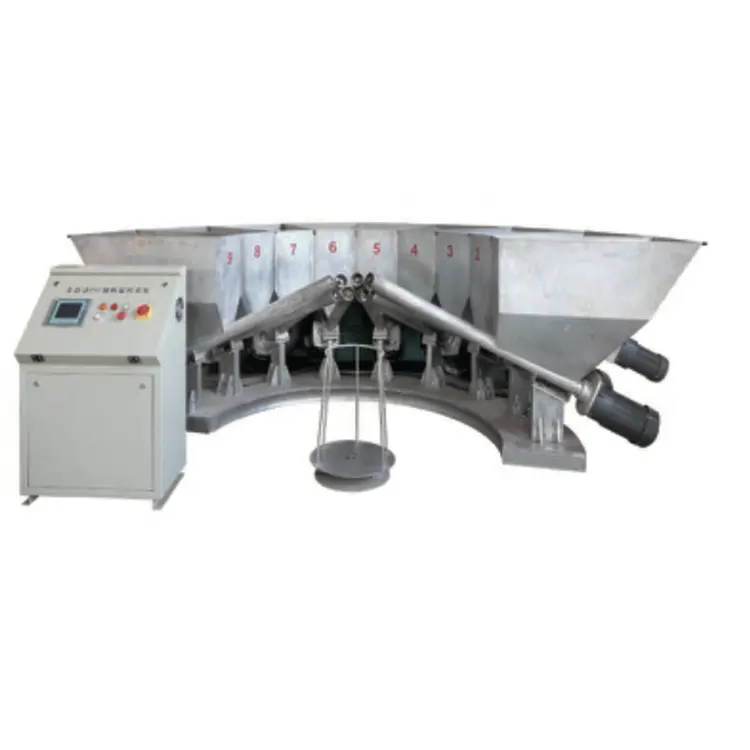
An Auxiliary Material Automatic Dosing Station is an automated system designed to accurately measure, mix, and deliver auxiliary materials used in industrial production processes. These materials may include additives, colorants, catalysts, stabilizers, fillers, powders, or liquid chemicals that must be added in precise quantities during manufacturing.
Instead of relying on manual weighing and batching, automatic dosing stations use advanced sensors, weighing modules, control software, and feeding equipment to perform dosing operations automatically. This ensures consistent ratios, improved efficiency, and minimal human error.
Industrial equipment manufacturers such as FANCHANG provide advanced dosing solutions tailored for modern production lines. Their systems are designed to integrate seamlessly with automated production environments, ensuring accurate and repeatable material dosing.
Manufacturing processes today require precise control over raw materials and additives. Even slight variations in auxiliary material ratios can affect product performance, appearance, safety, and regulatory compliance.
Manual dosing methods often suffer from several limitations, including measurement errors, inconsistent material mixing, labor-intensive processes, and production delays.
Automatic dosing stations solve these problems by introducing intelligent material handling and dosing automation.
By integrating intelligent dosing systems, manufacturers can transform traditional production into fully automated smart factories.
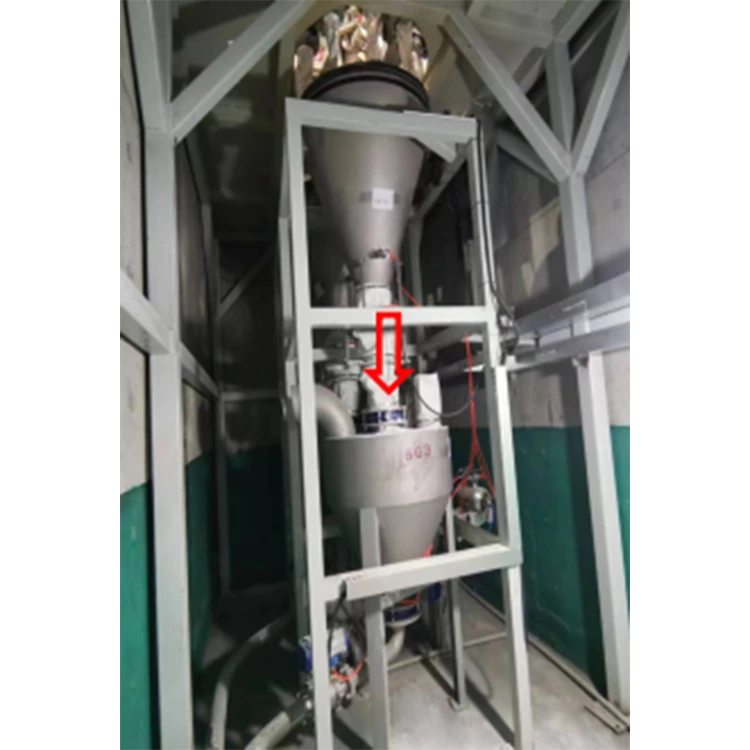
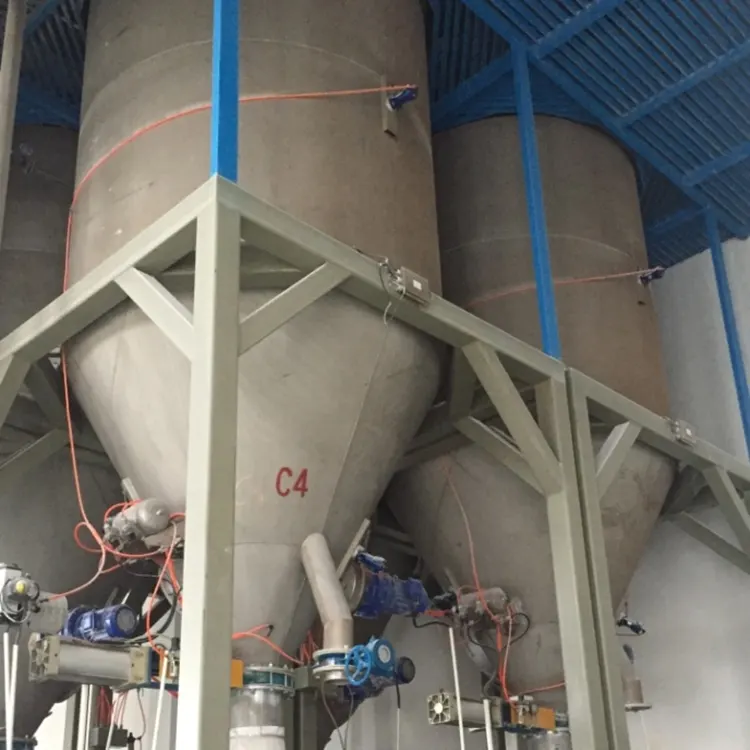
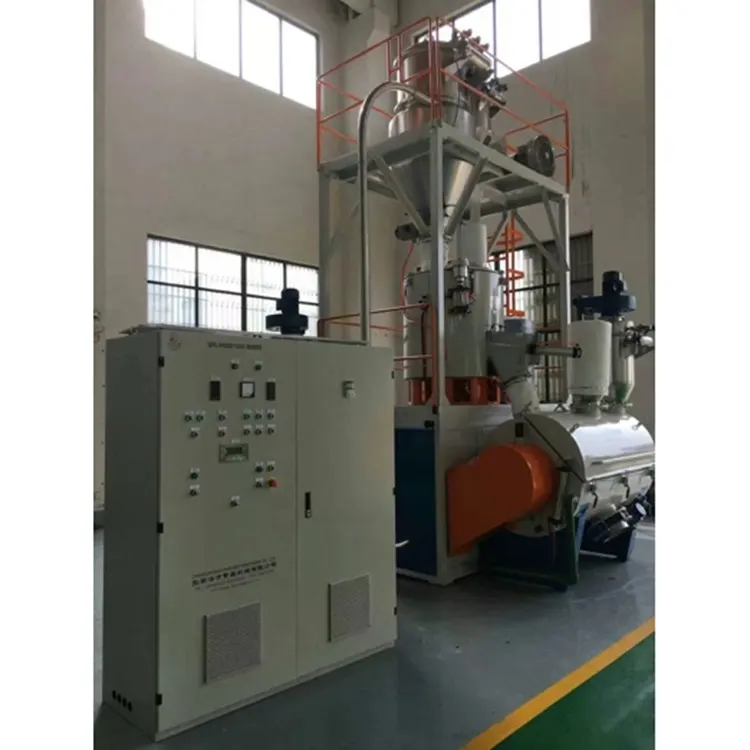
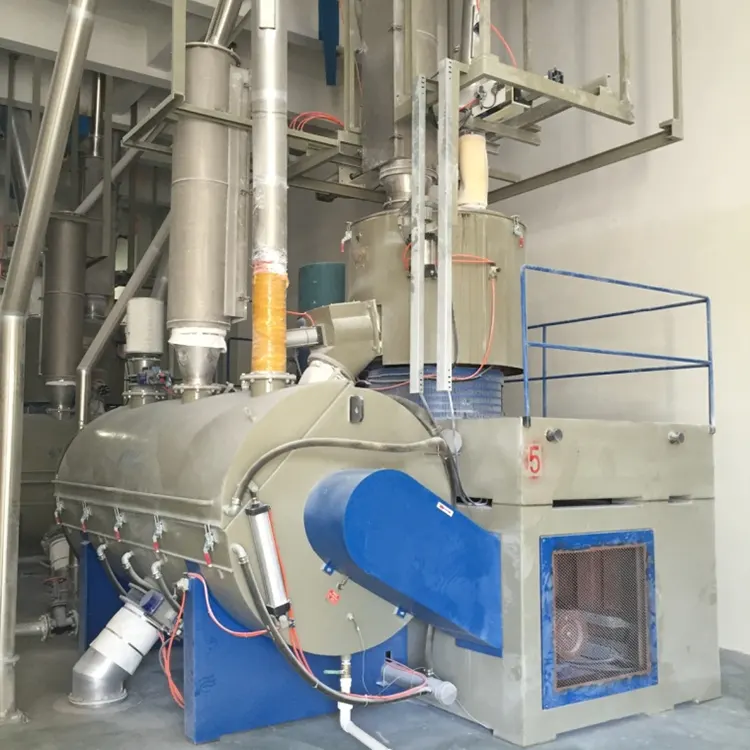
An Auxiliary Material Automatic Dosing Station consists of several interconnected subsystems that work together to achieve accurate material measurement and delivery.
| Component | Function |
|---|---|
| Material Storage Bin | Stores auxiliary materials such as powders, granules, or liquids. |
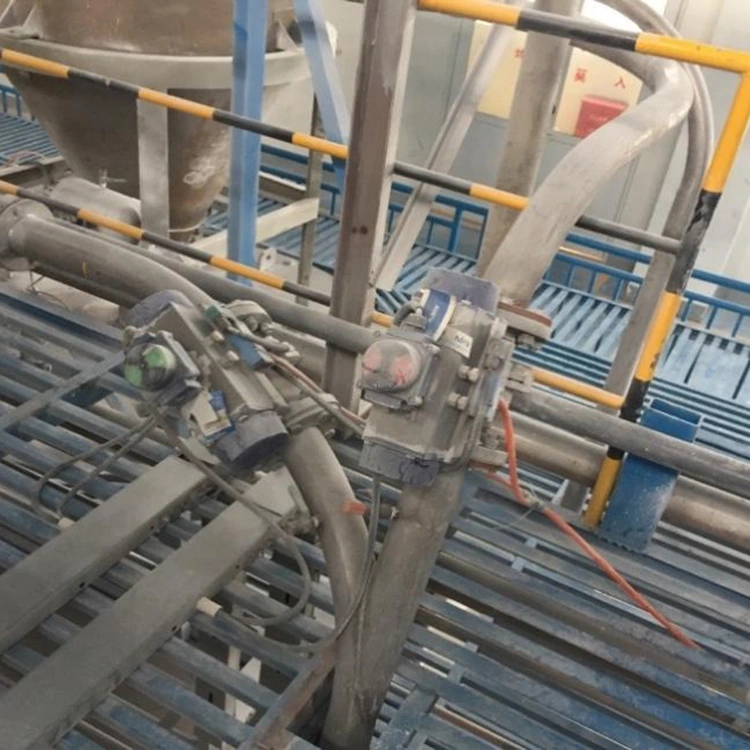
| Feeding System | Transfers materials from storage bins to weighing units. |
| Weighing Module | Measures the exact quantity of materials required. |
| Control System | PLC or computerized interface controlling the dosing process. |
| Mixing Unit | Ensures uniform blending of auxiliary materials. |
| Discharge System | Delivers measured materials to the main production line. |
High-end systems developed by companies like FANCHANG also include intelligent monitoring platforms, allowing operators to control dosing parameters remotely and track production data in real time.
The dosing process is fully automated and controlled by programmable logic controllers and industrial software. The workflow typically follows a precise sequence to ensure dosing accuracy.
This automated workflow significantly reduces human intervention while ensuring repeatable accuracy.
Auxiliary material automatic dosing stations are used in a wide range of industrial sectors where precision material formulation is critical.
With increasing demand for smart manufacturing, automated dosing stations are becoming a standard component in modern industrial plants.
Adopting automatic dosing technology provides numerous operational and economic advantages.
Manufacturers that adopt intelligent dosing solutions often experience improved productivity and enhanced product reliability.
| Feature | Manual Dosing | Automatic Dosing Station |
|---|---|---|
| Accuracy | Dependent on human measurement | Highly precise automated weighing |
| Efficiency | Slow and labor intensive | Fast automated operation |
| Consistency | Variable results | Stable and repeatable dosing |
| Labor Requirement | High manpower demand | Minimal human involvement |
| Production Monitoring | Limited tracking | Digital data logging |
This comparison clearly illustrates why automated dosing technology is becoming the preferred solution in industrial manufacturing.
Selecting the right dosing system requires evaluating several important factors to ensure compatibility with your production process.
Working with experienced manufacturers like FANCHANG ensures that dosing equipment is customized to meet the specific requirements of your production line.
As Industry 4.0 technologies continue to evolve, automatic dosing systems are becoming more intelligent and interconnected.
These innovations will further improve dosing precision, reduce downtime, and enhance overall production efficiency.
These systems can handle powders, granules, pellets, liquids, and chemical additives commonly used in industrial manufacturing processes.
Modern dosing systems typically achieve accuracy levels within ±0.1% depending on the design and weighing technology used.
Yes. Most systems are designed with PLC interfaces and communication protocols that allow seamless integration with automated production equipment.
Yes. Modular dosing stations can be configured for small to medium production capacities, making them suitable for various manufacturing scales.
Routine inspection, cleaning, and calibration should be performed regularly to ensure long-term accuracy and reliability.
The Auxiliary Material Automatic Dosing Station plays a critical role in modern industrial manufacturing by ensuring accurate material formulation, reducing labor dependency, and improving production efficiency. As industries continue to move toward automation and digital manufacturing, intelligent dosing systems will become an essential component of advanced production lines.
Companies like FANCHANG are driving innovation in automated dosing technology by developing reliable and customizable systems designed to meet the evolving needs of modern manufacturing facilities.
If you are planning to upgrade your production process with intelligent material handling and automated dosing technology, exploring advanced dosing solutions can significantly improve efficiency and product quality.
For more information about advanced dosing systems and customized industrial solutions, contact us today to learn how automated dosing technology can transform your manufacturing process.