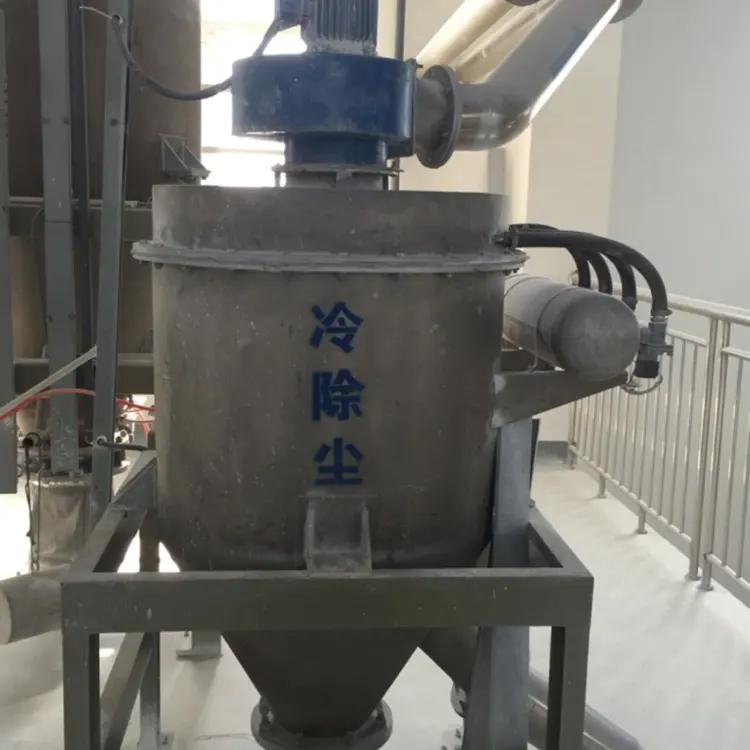
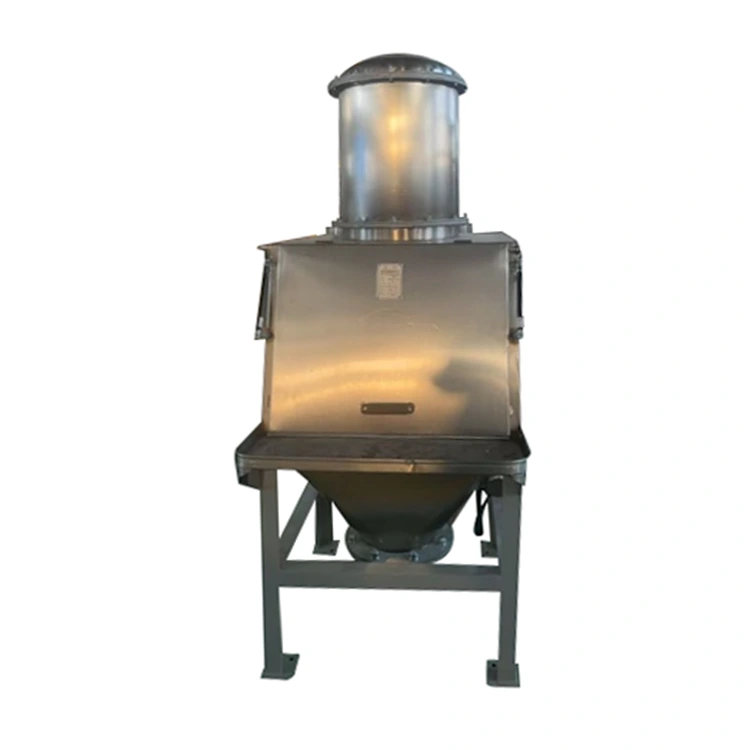
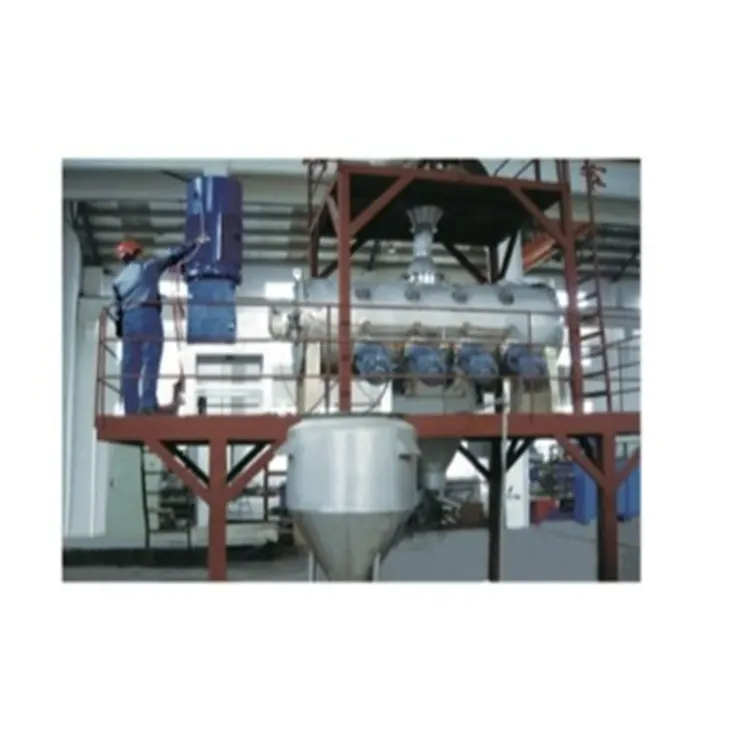
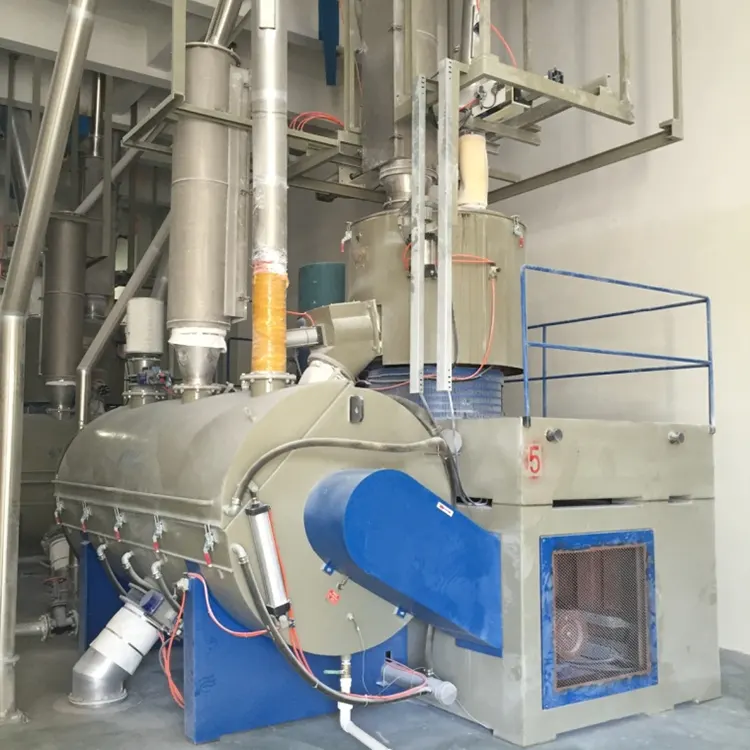
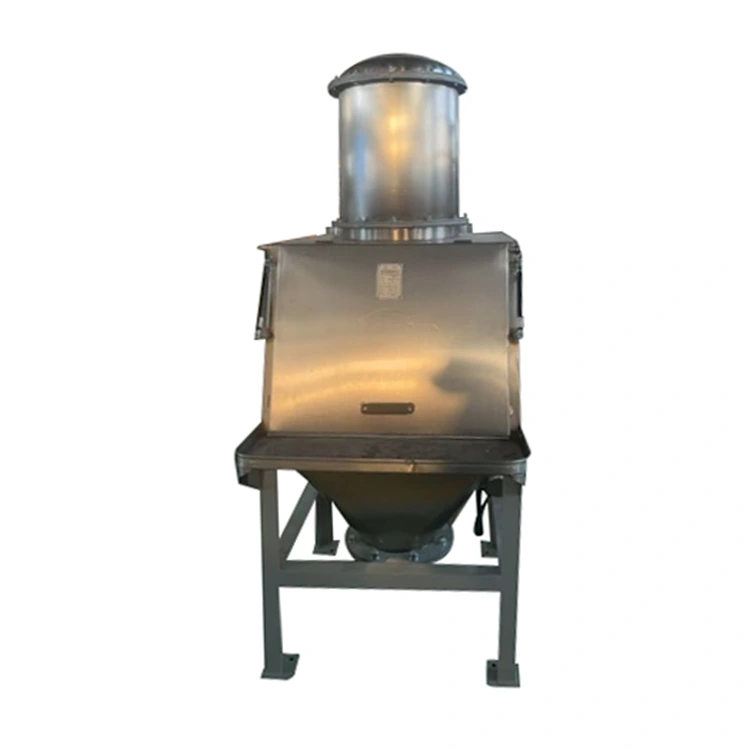
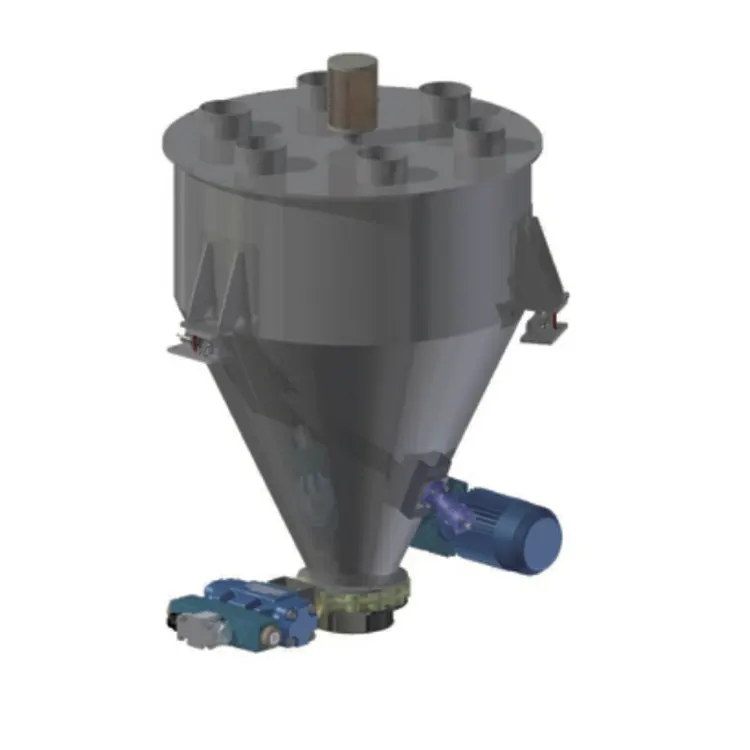
A "mixer unit" refers to equipment for blending liquids, solids, or gases, ranging from small kitchen appliances (hand/stand mixers) to large industrial systems (tank mixers, static mixers, batch plants) used in food, chemical, pharmaceutical, and beverage industries to achieve uniformity, dissolve components, or homogenize materials for consistent product quality and efficient production.
Types of Mixer Units
Kitchen Mixers: Handheld or stand mixers with beaters for whipping, kneading, and blending food items.
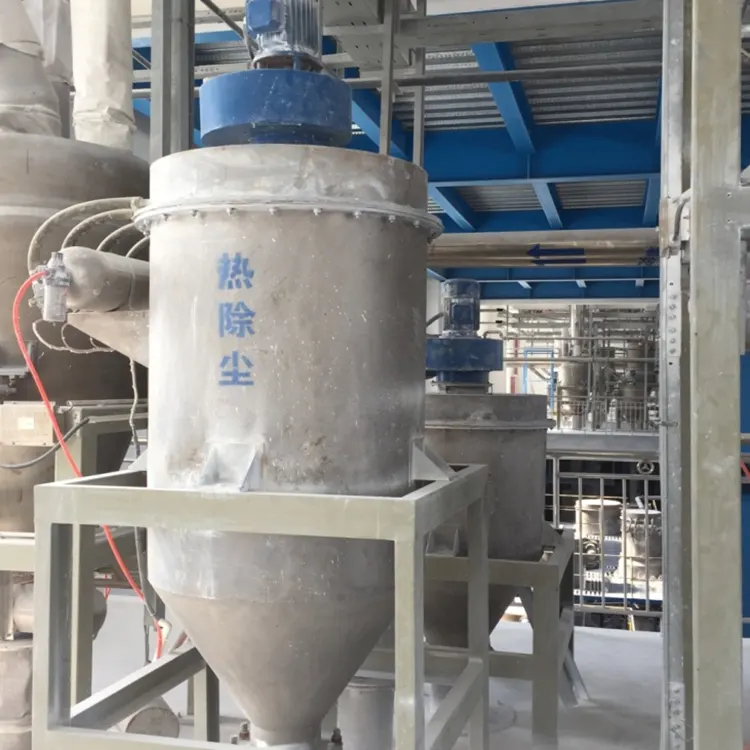
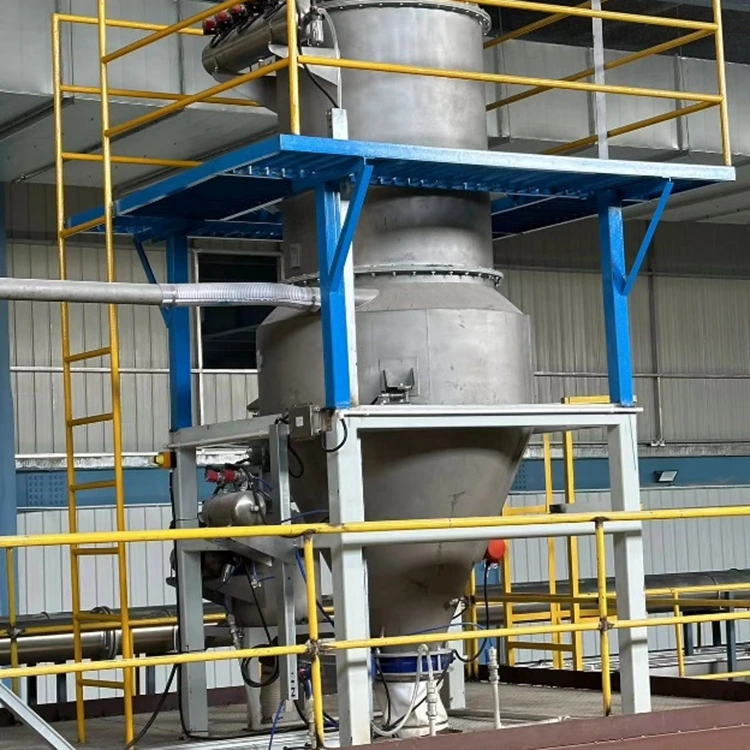
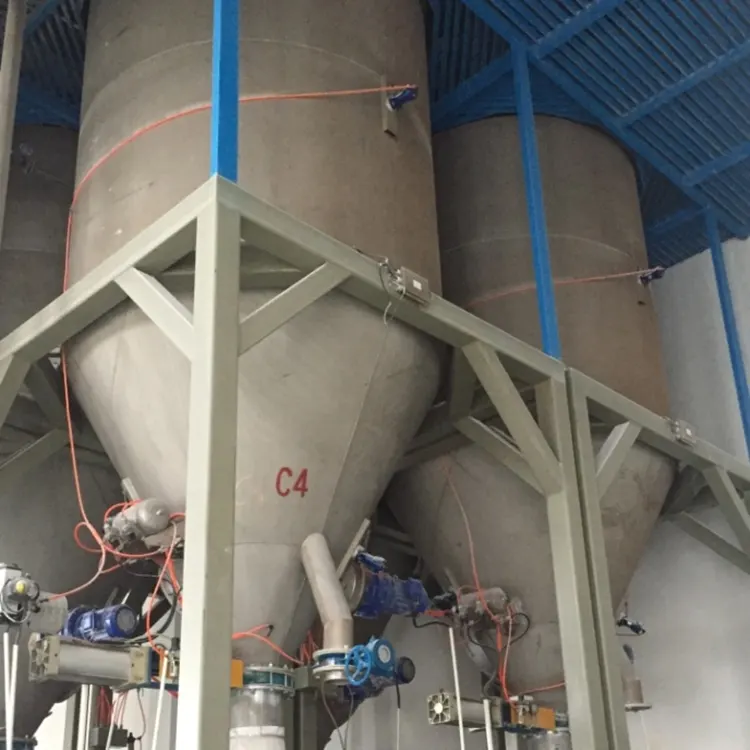
Industrial Mixers: Large-scale machines for heavy-duty blending, emulsifying, and homogenizing in manufacturing.
Tank Mixers: Often top-mounted or jet mixers for large tanks, used for mixing chemicals, beverages, or cleaning.
Static Mixers: Compact devices with internal elements that mix fluids without moving parts, ideal for liquids, gases, and slurries.
Specialized Units: Chemical Mixing Systems (with tanks for corrosive liquids), concrete batching mixers, and laboratory mixers.
We use cookies to offer you a better browsing experience, analyze site traffic and personalize content. By using this site, you agree to our use of cookies. Privacy Policy