
In modern powder processing industries such as plastics, chemicals, food, and pharmaceuticals, dust control and material handling efficiency are critical factors for productivity and safety. A PVC Pulse Dust Removal And Dumping Station plays an essential role in improving workplace cleanliness, reducing material loss, and ensuring operator safety during manual bag dumping operations.
This comprehensive guide explains how a PVC pulse dust removal and dumping station works, its key components, advantages, applications, and how manufacturers such as FANCHANG design advanced solutions for industrial powder handling. The article also explores best practices for selecting the right dumping station and how it contributes to sustainable manufacturing and compliance with dust control regulations.
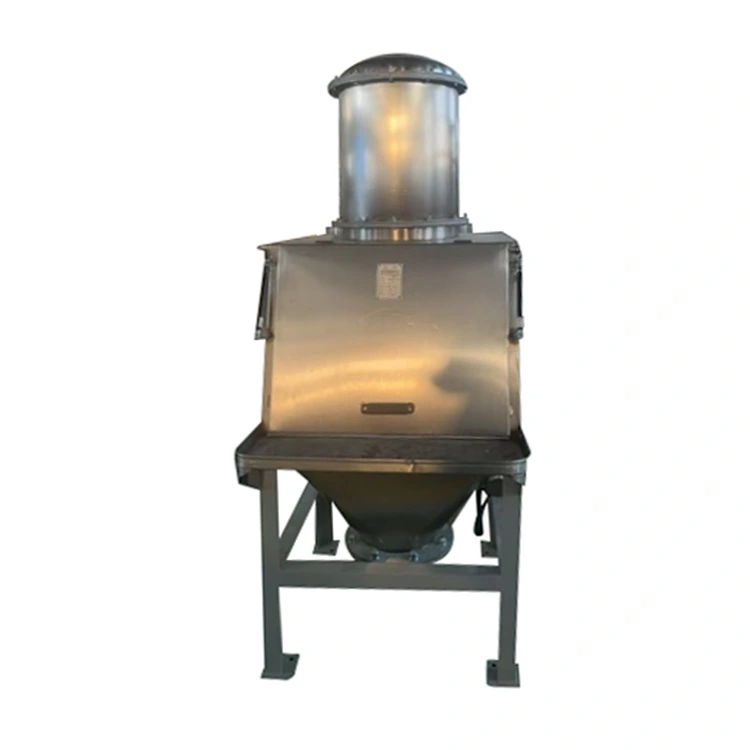
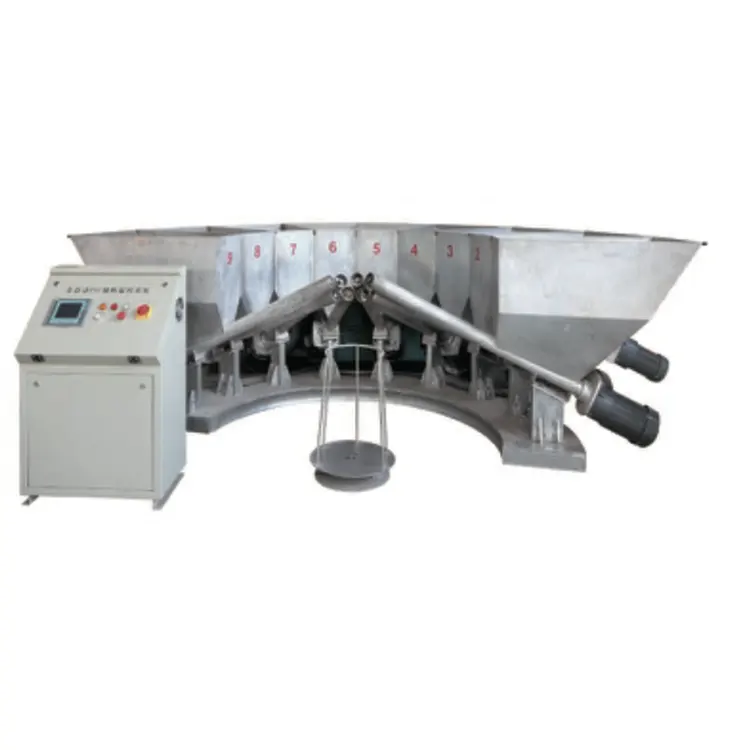
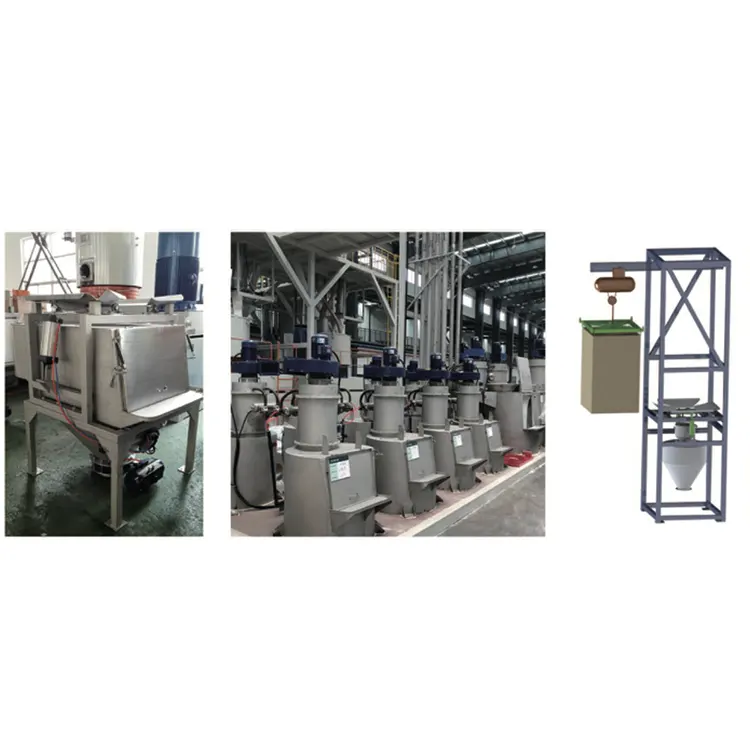
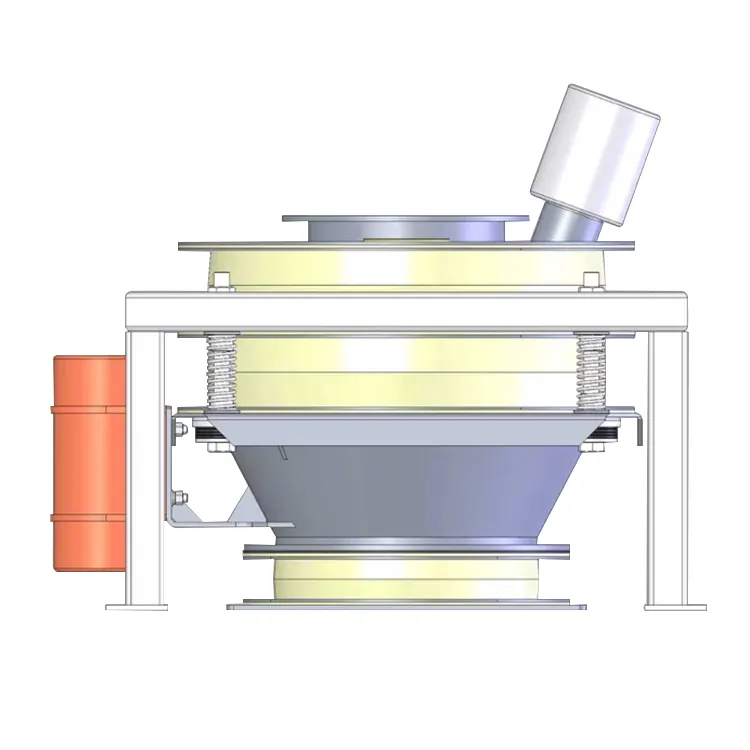
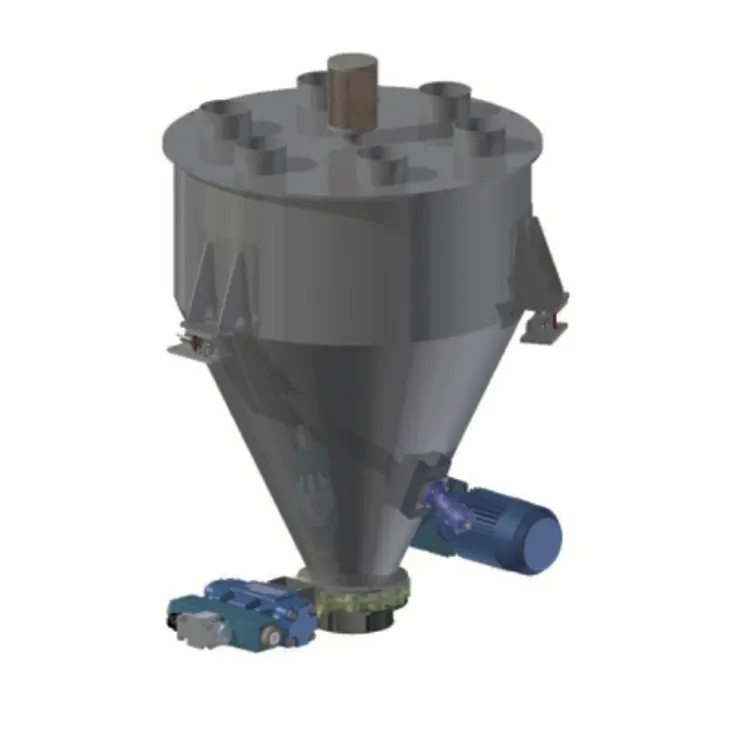
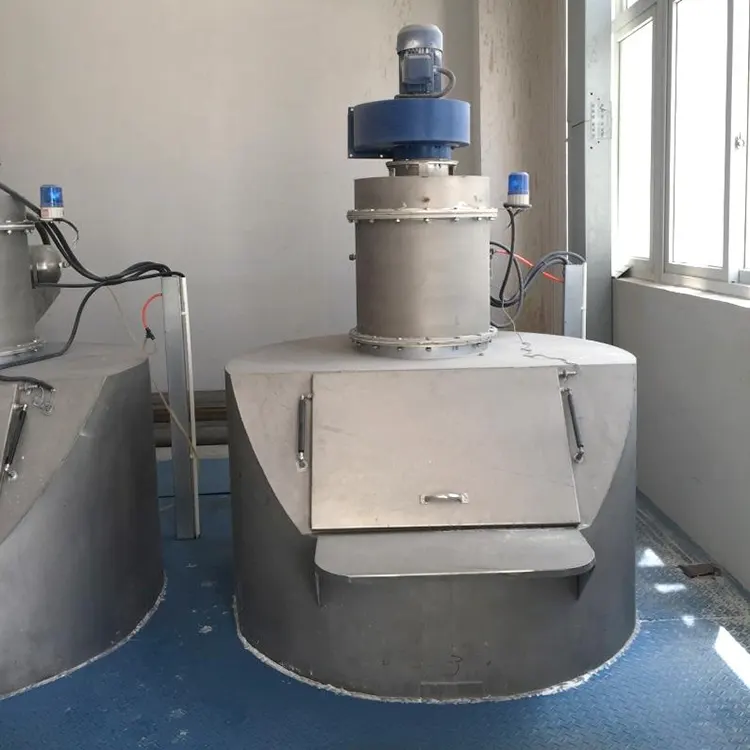
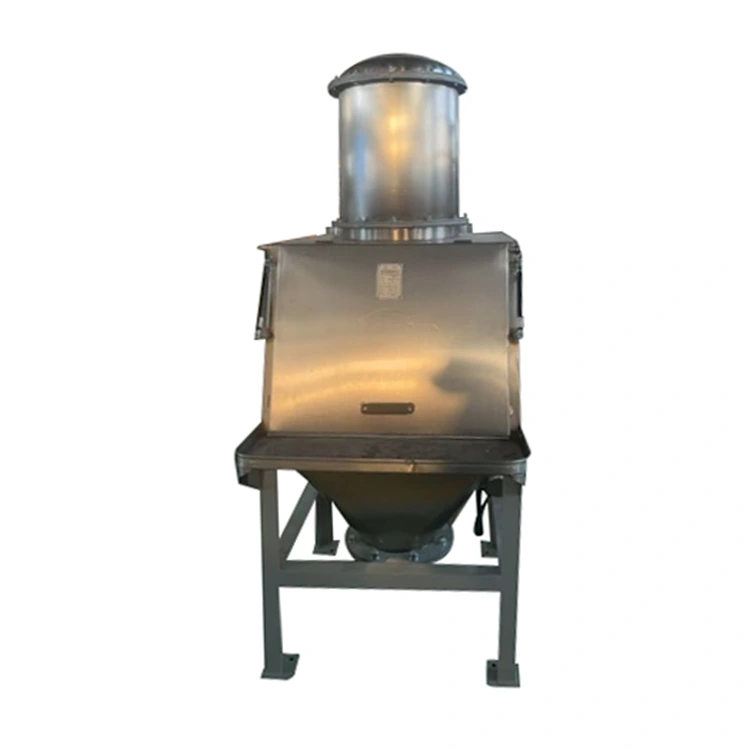
A PVC Pulse Dust Removal And Dumping Station is an industrial powder handling system designed to safely unload bags of powdered materials while capturing airborne dust generated during the dumping process.
During manual bag opening and pouring, large quantities of dust can become airborne. The dumping station solves this problem through a built-in pulse jet dust collector that captures dust particles before they spread into the workplace environment.
These systems are widely used in:
A modern dumping station from FANCHANG integrates dust filtration, ergonomic feeding design, and efficient powder transfer into one compact solution.
PVC powder is lightweight and easily becomes airborne during handling. Without proper dust control equipment, this can create multiple problems in manufacturing facilities.
Continuous exposure to fine industrial dust may cause respiratory irritation and long-term occupational health risks.
Dust accumulation on floors, machines, and ventilation systems can reduce operational efficiency and increase cleaning costs.
Airborne powder represents wasted raw material, which directly impacts production costs.
Certain powder materials may create combustible dust environments if not properly controlled.
Using a pulse dust removal dumping station significantly reduces these risks and ensures compliance with modern industrial safety standards.
The operating principle of the dumping station is simple but highly effective. The system captures dust at the source and filters it before releasing clean air back into the facility.
This closed-loop process prevents dust escape while minimizing product waste.
A high-quality dumping station includes several critical components that work together to ensure efficient dust collection and smooth powder transfer.
| Component | Function |
|---|---|
| Dumping Hopper | Receives powder material during manual bag unloading |
| Pulse Jet Dust Collector | Removes airborne particles using high-efficiency filters |
| Bag Breaking Platform | Provides a stable surface for opening powder bags |
| Filtration System | Captures dust particles before air is released |
| Pulse Cleaning System | Uses compressed air to clean filters and maintain airflow |
| Discharge Valve | Controls powder transfer to downstream equipment |
Manufacturers such as FANCHANG design these components with durability, safety, and easy maintenance in mind.
Installing a PVC pulse dust removal dumping station offers several operational benefits for industrial facilities.
PVC pulse dust removal dumping stations are widely used across many industries that handle powdered materials.
PVC resin and additives are commonly processed in powder form. Dumping stations help maintain clean and controlled feeding processes.
Chemical powders such as pigments, fillers, and stabilizers require dust-free handling systems.
Ingredients like flour, sugar, starch, and spices must be transferred hygienically and safely.
Powdered medicines and intermediates require contamination-free handling environments.
Advanced solutions from FANCHANG are designed to meet the strict requirements of these industries.
| Feature | Manual Dumping | Dust Removal Dumping Station |
|---|---|---|
| Dust Control | Poor | Excellent |
| Worker Safety | Low | High |
| Material Loss | High | Minimal |
| Workplace Cleanliness | Low | Very High |
| Operational Efficiency | Moderate | High |
The comparison clearly demonstrates why many modern factories are upgrading to automated dust control systems.
Selecting the right dumping station depends on several operational factors.
Facilities with high throughput requirements may need larger hopper capacity and stronger dust collection systems.
Dumping stations should connect easily with downstream equipment such as:
Choose systems with easy filter replacement and automatic pulse cleaning features.
Proper installation and routine maintenance ensure long-term performance and reliability.
Routine maintenance extends equipment lifespan and ensures optimal dust removal efficiency.
Industrial powder handling systems are evolving rapidly with the integration of smart technologies.
Modern dumping stations are increasingly integrated with automated material conveying systems and centralized control platforms.
Sensors can monitor airflow, filter pressure, and dust levels in real time.
New filtration technologies reduce energy consumption while maintaining high dust removal performance.
Manufacturers like FANCHANG continue to develop advanced systems that combine efficiency, safety, and sustainability.
The system is suitable for PVC powder, plastic additives, chemical powders, food ingredients, and pharmaceutical materials.
Filter lifespan depends on operating conditions, but regular inspection and cleaning significantly extend service life.
Yes. Manufacturers such as FANCHANG often provide customized hopper sizes, filtration systems, and discharge mechanisms based on specific industrial requirements.
Yes. Captured dust is returned to the hopper, minimizing raw material waste.
Absolutely. Many systems integrate seamlessly with conveyors, mixers, and automated feeding systems.
A PVC Pulse Dust Removal And Dumping Station is an essential solution for modern powder handling operations. By combining efficient dust collection, ergonomic design, and reliable powder transfer, the system significantly improves workplace safety, production efficiency, and environmental compliance.
Whether used in plastics manufacturing, chemical processing, food production, or pharmaceutical industries, these systems help companies maintain clean and efficient production environments.
If you are looking for reliable powder handling equipment and advanced dust removal solutions, the professional engineering team at FANCHANG can provide customized systems tailored to your industrial needs.
For more information about PVC pulse dust removal and dumping station solutions, contact us today to discuss your project requirements and discover how our technology can improve your production efficiency.