
Abstract
Modern industrial systems require accurate fluid distribution, stable operation, and reliable control performance. A Distribution Valve plays an important role in managing fluid direction, regulating flow paths, and supporting different industrial applications where precise control is required.
Fanchang provides valve solutions designed for various industrial fluid control requirements with a focus on practical application and system compatibility.
Table of Contents
1. Why Is Fluid Distribution Important in Industrial Systems? 2. What Features Support Reliable Valve Performance? 3. How Can Proper Valve Selection Improve Applications? 4. Frequently Asked Questions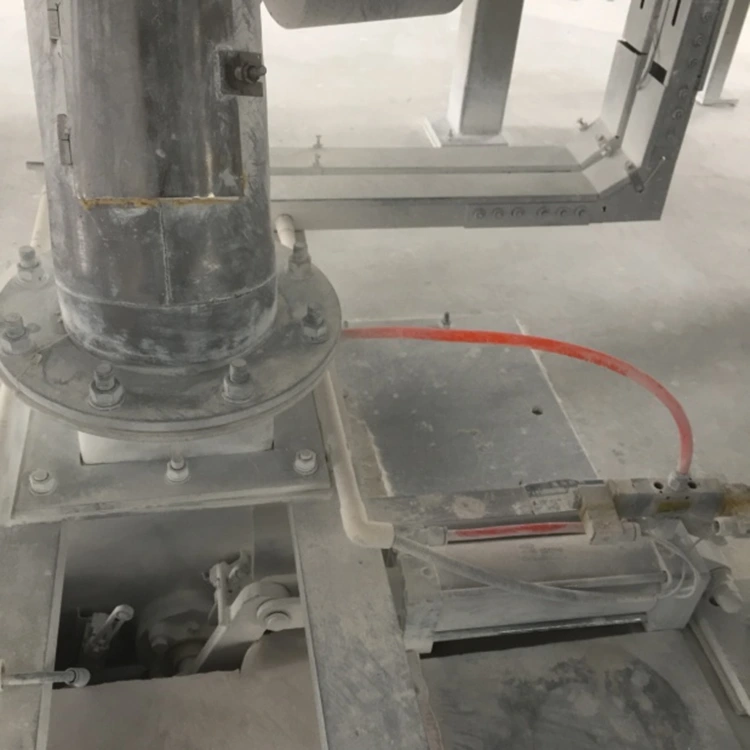
Industrial Distribution Valve for Fluid Control Applications
Why Is Fluid Distribution Important in Industrial Systems?
Fluid control systems are widely used in manufacturing, processing, water management, and industrial equipment. Efficient distribution helps ensure that liquids or gases move through the correct channels according to operational requirements.
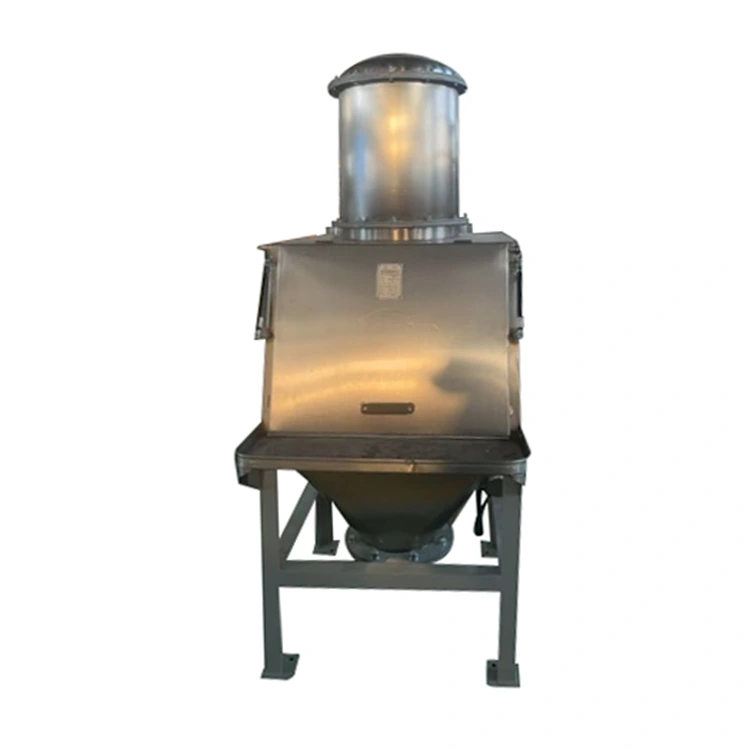
A Distribution Valve helps operators manage multiple flow routes while maintaining system organization. By controlling fluid movement, these components support smoother operation and improve overall system coordination.
Designed to guide fluid movement between different pipelines and equipment sections.
Supports different installation layouts and industrial application requirements.
Helps maintain consistent fluid control during continuous processes.
Common Application Areas
- Industrial pipeline systems
- Water treatment equipment
- Manufacturing facilities
- Process control systems
- Fluid transportation equipment
What Features Support Reliable Valve Performance?
Valve performance depends on structural design, material selection, sealing performance, and compatibility with the working environment. Different industries require different valve configurations to achieve suitable control results.
| Feature | Application Benefit |
|---|---|
| Precise Flow Control | Helps regulate fluid direction and distribution efficiently |
| Durable Structure | Supports long-term operation in industrial environments |
| Flexible Configuration | Suitable for different system designs |
| Reliable Sealing | Helps maintain stable system performance |
How Can Proper Valve Selection Improve Applications?
Selecting suitable valve equipment requires consideration of the working environment, fluid characteristics, connection method, and operational requirements. The correct selection process helps ensure that the control system operates smoothly under different conditions.
When choosing a Distribution Valve, users usually evaluate factors such as flow capacity, installation requirements, material compatibility, and maintenance convenience. These factors help determine whether the valve can meet the needs of a specific application.
Important Selection Considerations
- Working pressure and temperature requirements
- Fluid type and system conditions
- Installation space and connection design
- Operation frequency and maintenance needs
- Long-term system stability requirements
A suitable valve solution can improve system organization and provide better control over fluid movement. Professional valve manufacturers usually develop different product structures to support various industries and application environments.
How Do Modern Valve Designs Support Industrial Development?
Industrial equipment continues to develop toward higher precision, better reliability, and easier maintenance. Valve components are an important part of many systems because they directly influence how fluids are controlled and distributed.
Modern designs focus on improving operational convenience while maintaining stable performance. Through optimized structures and suitable materials, valves can support different industries including manufacturing, energy, water management, and processing systems.
Advantages of Advanced Valve Solutions
- Improved control accuracy for different fluid routes
- Better compatibility with industrial systems
- Convenient maintenance and inspection processes
- Support for customized application requirements
The development of reliable fluid control equipment allows industries to build more organized and efficient operating systems. A Distribution Valve remains an important component for applications that require controlled fluid distribution and stable performance.
Why Is Professional Manufacturing Important for Valve Applications?
Manufacturing experience and production management play an important role in ensuring valve consistency. Professional suppliers focus on product design, production processes, and quality inspection to provide solutions suitable for different industrial environments.
Companies looking for valve products often consider technical support, product adaptability, and communication efficiency when selecting suppliers. These elements help create better cooperation for different engineering projects.
Key Factors Provided by Experienced Suppliers
- Product solutions for different application scenarios
- Technical information support
- Flexible product configuration options
- Stable manufacturing capability
Frequently Asked Questions
What is a distribution valve used for?
A distribution valve is used to control and direct fluid flow between different pipelines or equipment sections. It helps organize fluid movement in various industrial systems.
Which industries commonly use distribution valves?
Distribution valves are commonly used in industrial processing, water systems, manufacturing equipment, and other applications that require controlled fluid management.
What factors should be considered when selecting a valve?
Users should consider factors including working conditions, fluid characteristics, installation requirements, sealing performance, and maintenance needs.
Can valves be customized for different applications?
Many valve manufacturers provide different configurations and technical solutions according to specific system requirements and application conditions.