
A rotary level gauge is one of the most reliable and cost-effective solutions for monitoring bulk solid levels in silos, hoppers, and storage bins. Widely used across industries such as cement, food processing, chemicals, plastics, and power plants, rotary level gauges offer stable performance, simple installation, and long service life.
In this in-depth guide, we explore the working principle, structure, installation methods, advantages, comparison with other level sensors, application scenarios, and maintenance strategies. Whether you are selecting equipment for a new production line or upgrading an existing system, this comprehensive article will help you understand why rotary level gauges remain an industry-preferred solution.
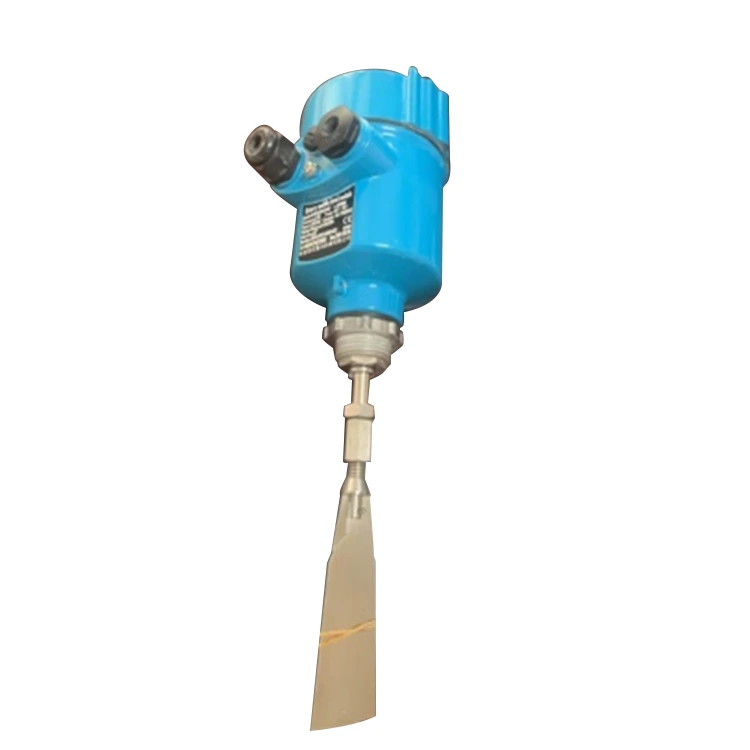
A rotary level gauge, also known as a rotary paddle level switch, is a mechanical device used to detect the presence or absence of bulk materials in storage containers. It is primarily designed for monitoring powders, granules, and other solid materials.
When installed inside a silo or hopper, the rotating paddle spins freely in the absence of material. Once the material reaches the paddle, resistance stops the rotation, triggering a signal that indicates a high-level or low-level condition.
The working principle of a rotary level gauge is based on mechanical resistance detection.
This simple yet robust mechanism makes rotary level gauges extremely reliable, especially in harsh industrial environments.
| Component | Function |
|---|---|
| Electric Motor | Provides rotational power |
| Rotary Paddle | Detects material presence |
| Gear Mechanism | Reduces motor speed and increases torque |
| Micro Switch | Sends signal when rotation stops |
| Housing | Protects internal components |
Advanced manufacturers like FANCHANG design rotary level gauges with reinforced aluminum or stainless steel housings for durability and corrosion resistance.
Installed on the roof of a silo for high-level detection.
Installed on the side wall for intermediate or low-level detection.
Used in hazardous environments such as grain processing or chemical plants.
Designed for dense materials like cement or sand.
| Parameter | Typical Range |
|---|---|
| Power Supply | 110V / 220V AC / 24V DC |
| Operating Temperature | -20°C to 200°C |
| Protection Rating | IP65 – IP67 |
| Output Signal | SPDT Relay Output |
| Installation Type | Flange / Threaded |
Compared to more complex technologies, rotary level gauges do not rely on microwave or ultrasonic waves, making them less sensitive to environmental interference.
In cement plants, rotary level gauges prevent overflow and improve process automation efficiency.
| Type | Best For | Cost | Maintenance |
|---|---|---|---|
| Rotary Level Gauge | Powders & Granules | Low | Low |
| Ultrasonic Level Sensor | Liquids | High | Medium |
| Capacitive Level Sensor | Fine Powders | Medium | Medium |
Routine inspection ensures long-term performance and reduces downtime.
When selecting a rotary level gauge, consider:
Choosing a reliable manufacturer such as FANCHANG ensures product stability, certification compliance, and long-term technical support.
No, they are primarily designed for bulk solid materials.
With proper maintenance, it can operate for more than 5–10 years.
Yes, high-temperature models can operate up to 200°C.
Generally, no complex calibration is required due to its mechanical nature.
A rotary level gauge remains one of the most practical and durable solutions for bulk material level detection. Its mechanical simplicity, cost efficiency, and adaptability to harsh industrial environments make it an essential component in modern automation systems.
If you are looking for a reliable and high-performance rotary level gauge solution, FANCHANG provides industry-proven products tailored to various applications. Upgrade your bulk material monitoring system today — contact us to receive professional guidance and customized recommendations.