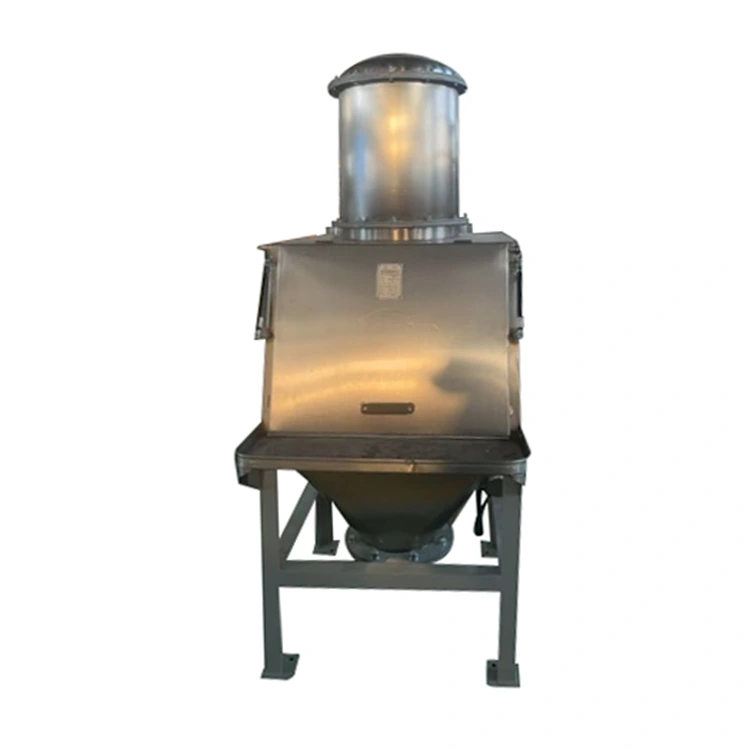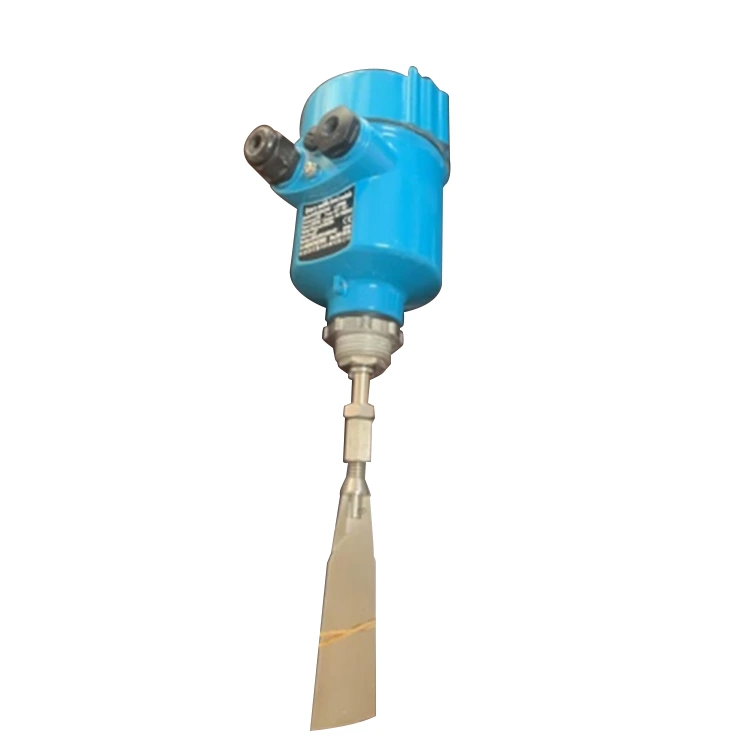

In modern manufacturing industries such as plastics, rubber, chemicals, and food processing, precision in additive dosing is critical to product quality and production efficiency. An Automatic Additive Batching Scale is an advanced weighing system designed to measure and dispense additives automatically according to preset formulas. By eliminating manual errors and improving measurement accuracy, these systems significantly enhance production consistency and operational efficiency.
This article explores how automatic additive batching scales work, their advantages, core components, applications across industries, and how manufacturers can choose the right system. It also explains how innovative companies like FANCHANG are providing intelligent batching technologies that support modern automated production lines.
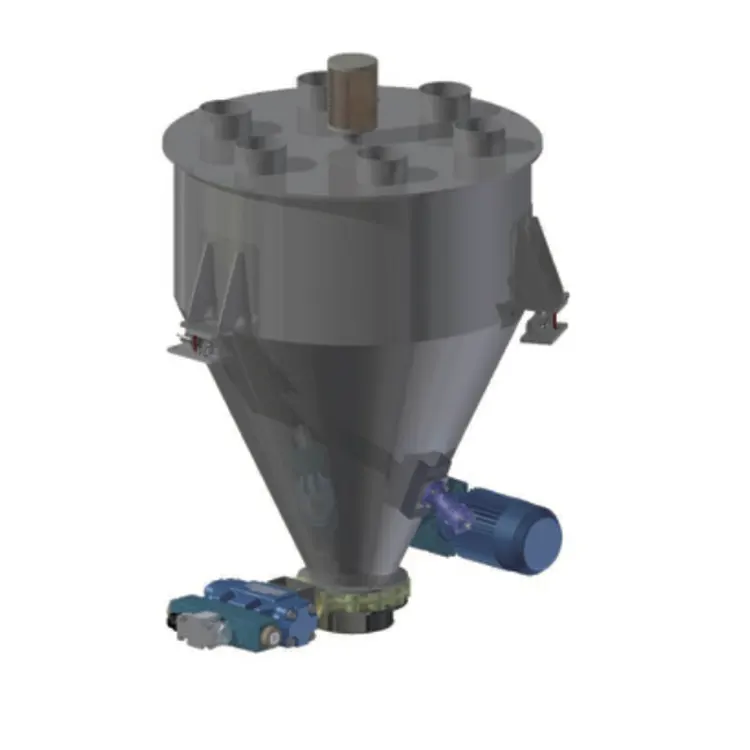
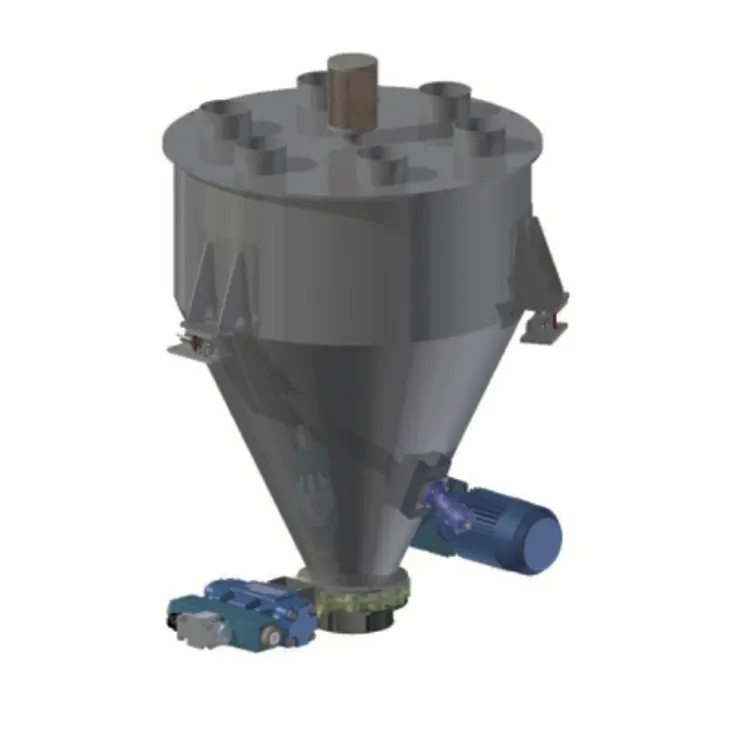
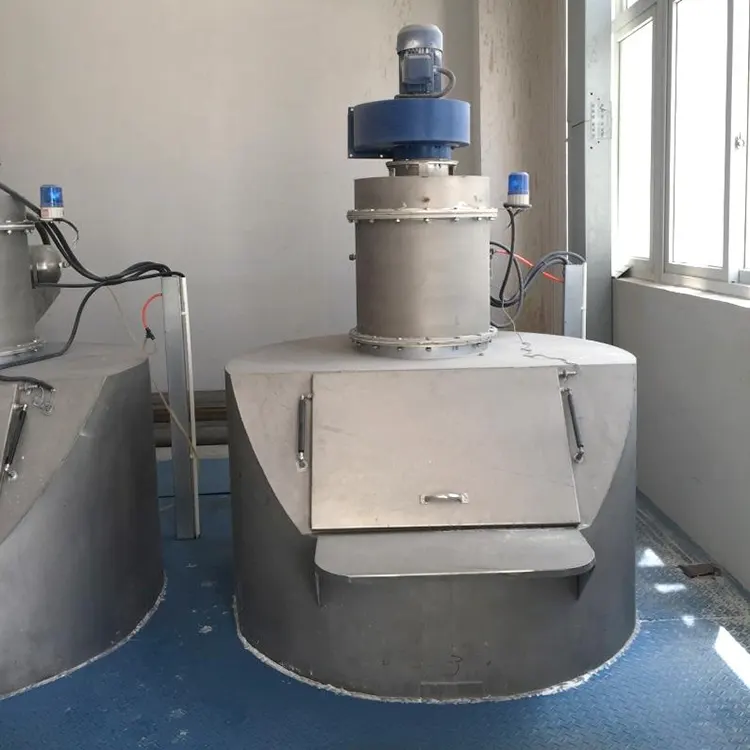
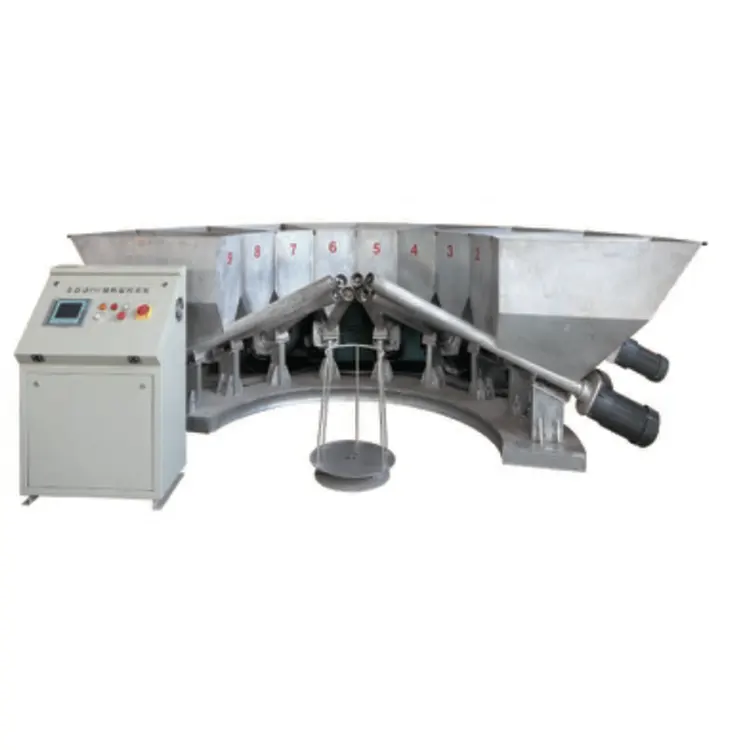
An Automatic Additive Batching Scale is a precision weighing and dispensing system used in industrial production lines to automatically measure and feed additives according to a predefined formula or production requirement.
Additives are often used in small quantities but play a crucial role in determining the final properties of products. For example:
Manual dosing can easily lead to inconsistencies. Automatic batching systems ensure exact measurements every time, significantly improving product quality.
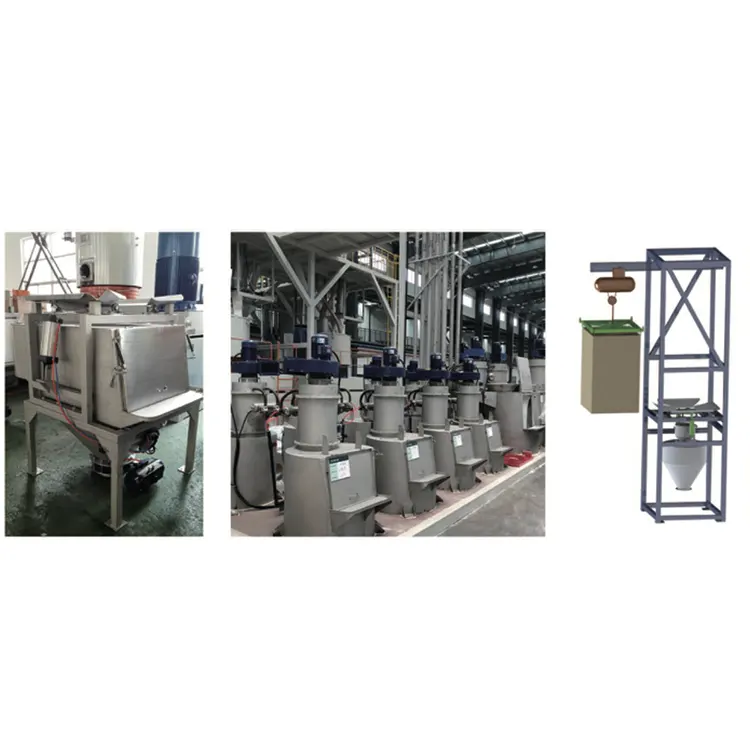
For example, systems such as the Automatic Additive Batching Scale developed by FANCHANG integrate precision sensors, programmable controllers, and intelligent weighing algorithms to achieve accurate additive feeding in automated production environments.
Additives typically represent a small portion of the total material weight, but they have a major impact on product characteristics. Even minor deviations can lead to significant issues in the final product.
In industries like plastics and chemicals, improper additive ratios can lead to problems such as color inconsistency, reduced mechanical strength, or unstable chemical properties.
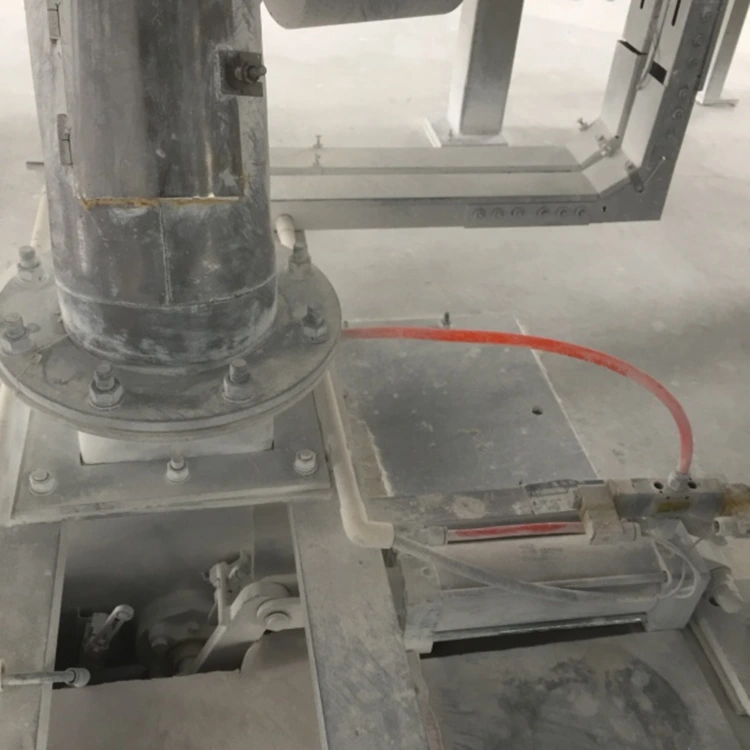
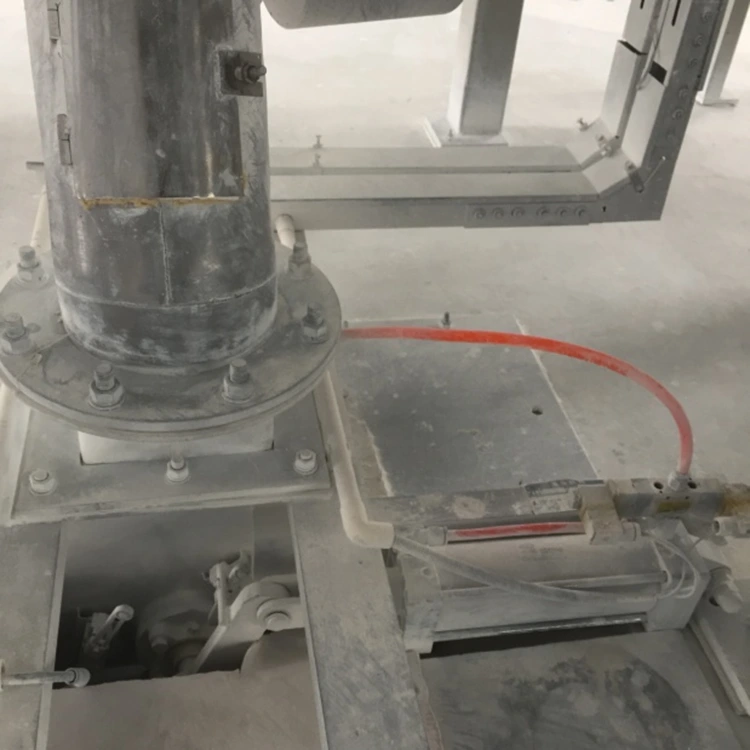
Automatic additive batching scales operate through a combination of weighing sensors, feeding mechanisms, and digital control systems. The process is designed to measure additives with high accuracy and deliver them to production equipment automatically.
Advanced batching systems also include automatic calibration and data recording functions, ensuring precise and traceable production processes.
A complete automatic additive batching scale consists of several critical components that work together to ensure accuracy and efficiency.
| Component | Function |
|---|---|
| Load Cells | High-precision sensors used to measure material weight |
| Weighing Hopper | Container where additives are weighed |
| Feeding Device | Controls the flow of additives into the hopper |
| Control System | PLC or digital controller managing batching operations |
| Discharge Mechanism | Releases the measured batch into the production line |
| User Interface | Allows operators to set formulas and monitor operations |
Companies like FANCHANG design their systems with industrial-grade components to ensure durability, reliability, and high measurement precision.
Automation in additive batching provides significant benefits for manufacturers seeking higher efficiency and consistent product quality.
Additionally, automated batching systems can operate continuously, making them ideal for large-scale industrial production lines.
Automatic additive batching scales are widely used across various manufacturing sectors where precise ingredient ratios are essential.
In plastic manufacturing, for example, accurate dosing of colorants and stabilizers ensures consistent color and performance of the final products.
| Feature | Manual Batching | Automatic Batching |
|---|---|---|
| Accuracy | Moderate | Very High |
| Efficiency | Slow | Fast |
| Labor Requirement | High | Low |
| Consistency | Variable | Highly Consistent |
| Production Scale | Small Scale | Large Scale |
The table clearly shows why many factories are transitioning from manual dosing systems to automated batching technologies.
Selecting the appropriate batching system depends on several production requirements and technical considerations.
A reliable manufacturer such as FANCHANG can provide customized batching systems designed to meet specific industrial requirements.
The future of industrial batching systems is closely linked with digital manufacturing and smart factory technologies.
These innovations will further enhance production efficiency while reducing operational costs for manufacturers.
Most industrial systems can achieve weighing accuracy within ±0.1% to ±0.5%, depending on the system configuration and sensor quality.
Yes. Many modern systems are designed with multiple feeding units, allowing simultaneous or sequential dosing of several additives.
Yes. Automatic additive batching scales are available in different sizes and capacities, making them suitable for both small and large production lines.
Maintenance is generally simple. Regular cleaning, calibration checks, and sensor inspections are typically sufficient to maintain optimal performance.
Yes. Modern systems can connect with PLC controllers, mixing machines, and automated conveying systems for seamless integration.
Automatic additive batching scales play a vital role in modern manufacturing by ensuring precise ingredient measurement and improving production efficiency. From plastics and chemicals to food and pharmaceuticals, these systems help manufacturers maintain consistent product quality while reducing waste and labor costs.
With advanced automation technologies and intelligent control systems, companies like FANCHANG continue to provide reliable batching solutions that meet the evolving demands of industrial production.
If you are looking to improve accuracy, efficiency, and automation in your manufacturing process, investing in a high-quality automatic additive batching system is a smart decision. For professional solutions and customized equipment designed for your production needs, contact us today to learn more about how our advanced batching technologies can support your business growth.