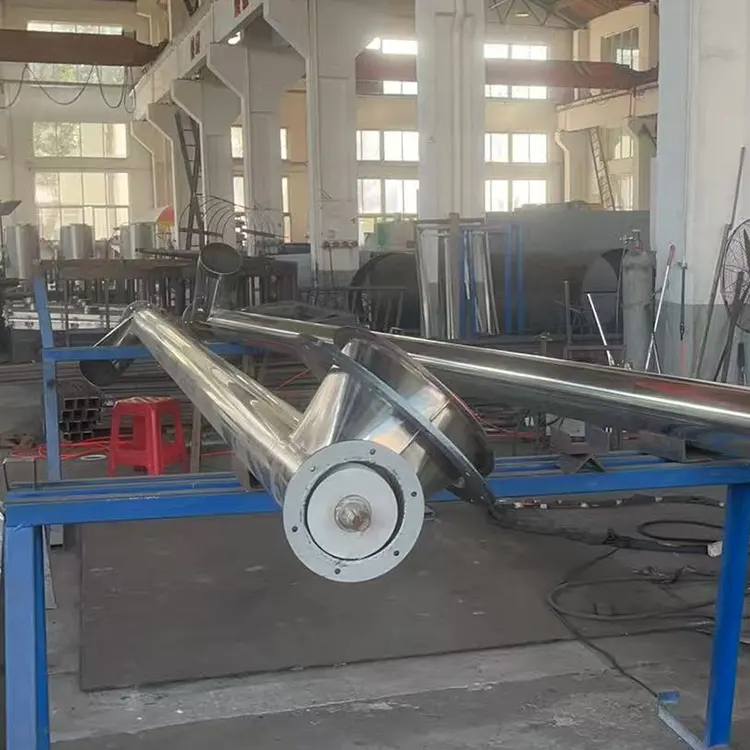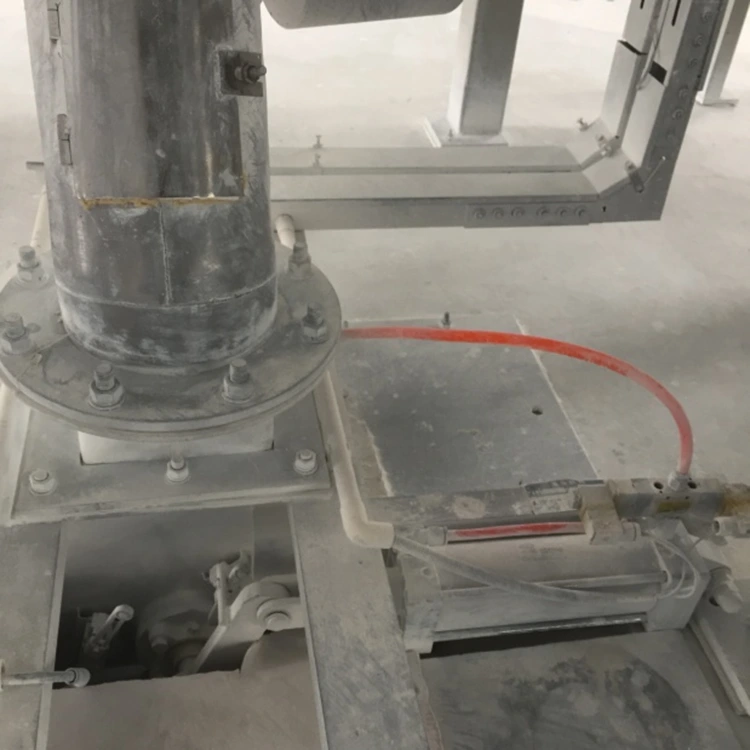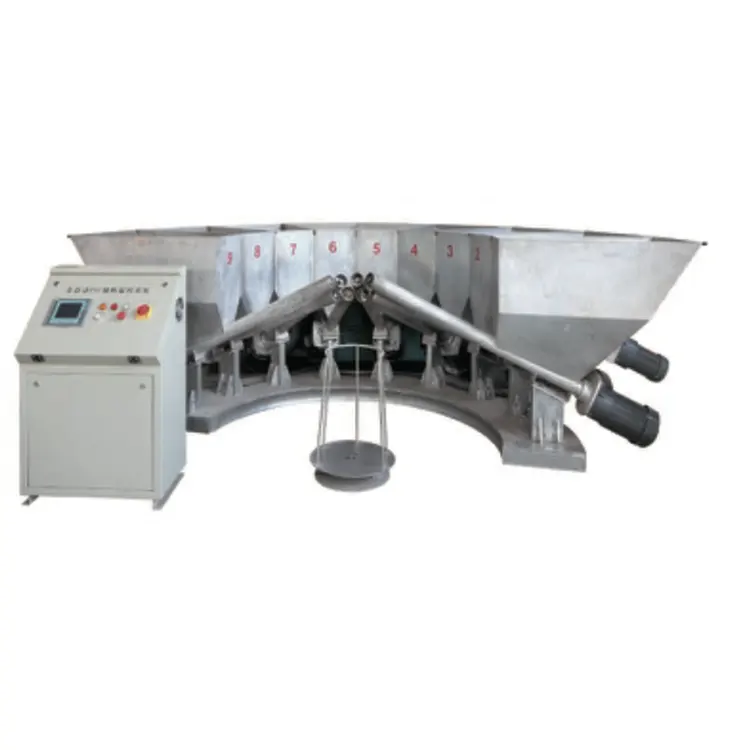

Dust generation is a common operational challenge in PVC processing, particularly during the handling, transfer, and unloading of powdered raw materials. PVC resin and various powder additives can become airborne when bags are opened and materials are discharged into production equipment. Without effective collection, dust may spread around workstations, settle on machinery, affect housekeeping, and increase the frequency of cleaning operations.
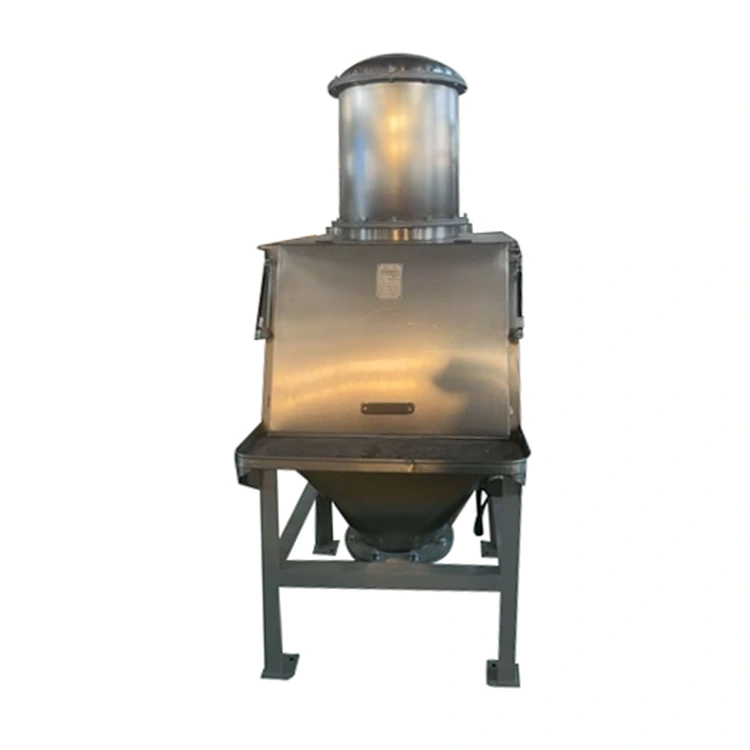
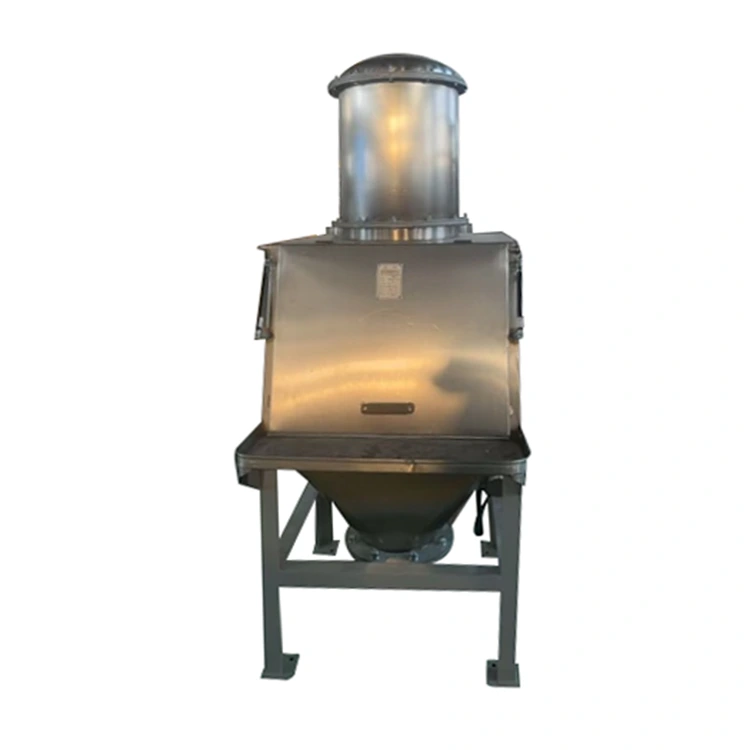
The PVC Pulse Dust Removal And Dumping Station addresses this issue by combining material unloading with localized dust extraction and filtration. Rather than treating dust collection as a separate operation, this type of equipment integrates it into the material feeding process, helping manufacturers manage airborne particles closer to their point of generation.
PVC manufacturing involves multiple powder-handling stages, including raw material preparation, batching, mixing, and conveying. During bag opening and manual or assisted dumping, the movement of powder can displace air and release fine particles into the surrounding environment.
Several factors influence the amount of dust generated. These include the physical properties of the material, moisture content, unloading speed, drop height, and the way bags are opened and emptied. Frequent material changes and inconsistent feeding practices can also make dust management more difficult.
Dust accumulation affects more than workplace cleanliness. Deposits on equipment surfaces may interfere with routine maintenance, while airborne particles can reduce visibility around handling stations and increase the cleaning workload. For PVC production facilities processing multiple batches, controlling dust at the unloading stage is therefore an important part of maintaining consistent material-handling conditions.
The operating principle of a PVC Pulse Dust Removal And Dumping Station is based on capturing airborne particles near the dumping area and separating them from the extracted air through a filtration system.
When operators discharge PVC powder into the station, a local extraction system draws dust-laden air toward the filter section. The filter media retains particles while allowing filtered air to pass through the system. This arrangement reduces the amount of powder that escapes into the surrounding workspace.
As dust accumulates on the filter surface, airflow resistance can gradually increase. Pulse-jet cleaning addresses this issue by releasing short bursts of compressed air to dislodge collected particles from the filter media. The detached dust falls into a designated collection area or returns to the material-handling process, depending on the equipment configuration.
This cleaning mechanism allows the filtration system to operate through repeated loading and cleaning cycles. Its performance depends on factors such as filter material, filtration area, airflow volume, compressed-air pressure, and the characteristics of the collected powder.
One important feature of the PVC Pulse Dust Removal And Dumping Station is the integration of dust extraction and material unloading within the same working area.
When unloading and dust collection operate separately, powder can escape during the interval between bag opening and material transfer. An integrated arrangement helps position the extraction point around the actual dumping operation, reducing the distance between dust generation and collection.
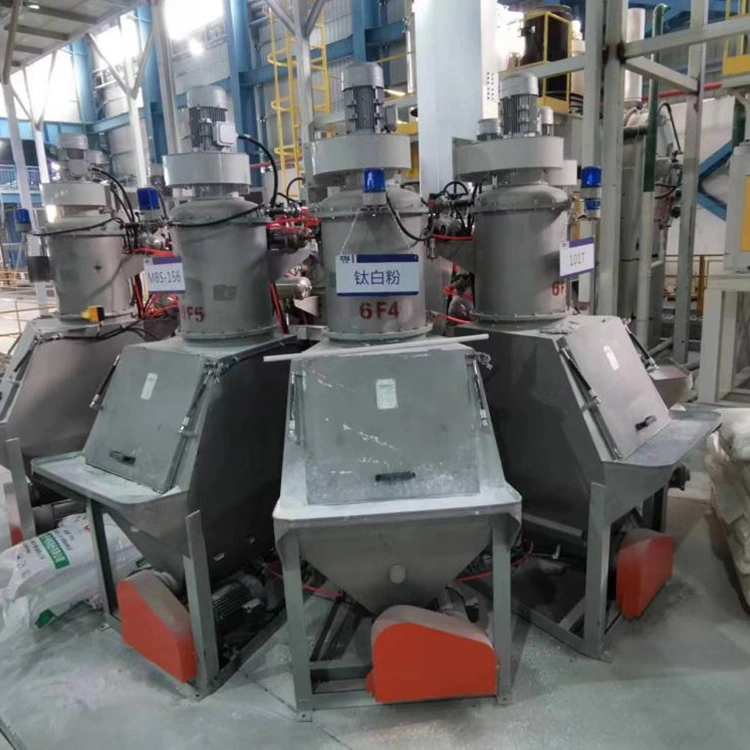
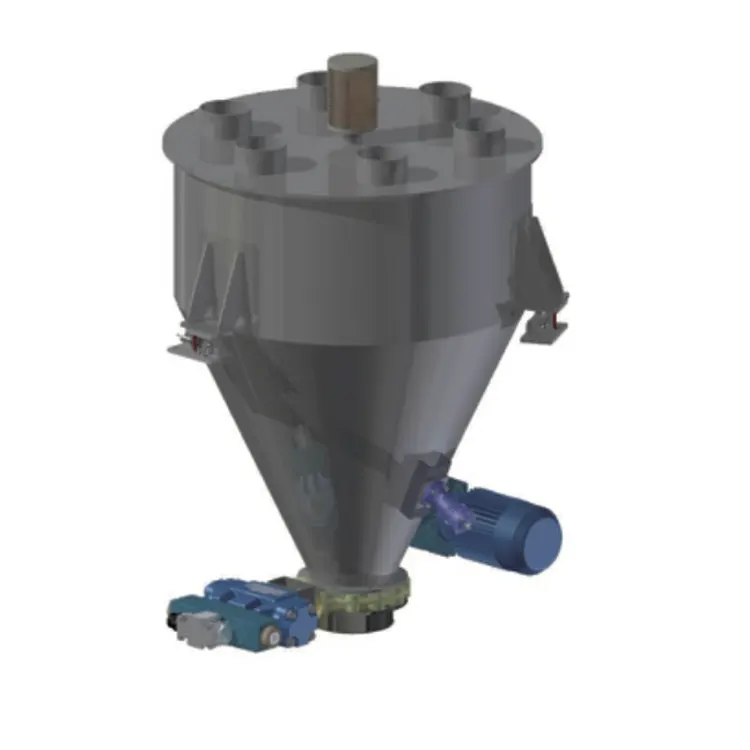
The station also provides a defined area for handling raw materials. Depending on its design, it may incorporate a dumping platform, feeding hopper, filter chamber, dust collection components, and supporting discharge equipment. These elements work together to organize material transfer while limiting the spread of airborne particles.
The relationship between extraction airflow and dumping speed is particularly important. Insufficient airflow may allow dust to escape, whereas an unsuitable airflow arrangement can interfere with powder movement. Equipment configuration should therefore account for both the required material throughput and the physical properties of the PVC powder being handled.
The effectiveness of a dust removal station is not determined by the filtration unit alone. Several operating conditions influence its overall performance.
Filter selection is one consideration. Filter media should be compatible with the particle size, temperature, moisture conditions, and chemical characteristics of the material. The filtration area must also correspond to the required airflow and expected dust loading.
The station's enclosure and access openings influence how effectively dust remains within the collection zone. Poorly sealed connections, damaged access panels, or unsuitable bag-opening arrangements may create leakage points. Regular inspection of these areas helps maintain stable dust collection conditions.
Compressed-air supply is another important factor in pulse cleaning. Inconsistent pressure or blocked pulse valves may prevent dust from being released effectively from the filter surface. Monitoring pressure differences across the filter can also help operators identify changes in filtration resistance.
In addition, collected dust should be handled through an appropriate discharge arrangement. Preventing secondary dust release during collection and removal is necessary to maintain the benefits achieved during the initial unloading stage.
The PVC Pulse Dust Removal And Dumping Station is relevant to production environments where PVC powders and other dry additives are transferred from bags into processing systems.
Typical applications include PVC pipe manufacturing, profile extrusion, plastic sheet production, compounding operations, and other facilities involving powder-based raw material preparation. In these environments, the equipment can be positioned near mixing or feeding systems to control dust during the initial material transfer stage.
Different production lines may require different configurations. Facilities with frequent batch changes may prioritize accessible dumping areas and straightforward cleaning procedures. Continuous production environments may place greater emphasis on feeding consistency, filter maintenance intervals, and integration with downstream conveying equipment.
The equipment layout should also consider operator access, bag handling methods, available floor space, and the connection between the dumping station and the next processing stage.
Routine maintenance is essential for keeping dust collection performance consistent. Operators should inspect filter elements for damage, monitor airflow and pressure differences, and check pulse valves and compressed-air connections.
Dust collection chambers and discharge components also require periodic cleaning. Accumulated material should not be allowed to obstruct discharge paths or interfere with the operation of moving components. Where recovered powder is returned to production, its condition and suitability for reuse should be assessed according to the facility's material quality requirements.
For facilities handling combustible dust, a separate hazard assessment is necessary. Grounding, bonding, electrical equipment selection, ventilation design, and explosion protection should be evaluated according to applicable safety standards and the actual properties of the handled material.
Dust management during powder unloading is an important consideration in PVC manufacturing, where raw material handling directly affects workplace conditions and production organization. By combining localized extraction, filtration, pulse-jet cleaning, and controlled material discharge, a PVC Pulse Dust Removal And Dumping Station provides an integrated approach to controlling dust at its source.
Its practical performance depends on airflow design, filter compatibility, enclosure integrity, cleaning mechanisms, and the characteristics of the materials being processed. As PVC production facilities continue to refine their material-handling operations, the PVC Pulse Dust Removal And Dumping Station remains a relevant equipment solution for improving dust collection during raw material unloading and supporting cleaner production environments.
-